
Category Archives: Uncategorized

What Happens to Warehouse Efficiency After the Busy Season Ends?

From Peak to Plateau: What Happens to Warehouse Efficiency After the Busy Season Ends?

When the intensity of peak trading fades, many UK warehouses enter a quieter phase that appears, on the surface, to offer relief. However, Pallet Trucks UK is warning that this transition from peak to plateau can mask underlying inefficiencies that, if left unaddressed, may impact performance in the months ahead.

During peak periods, operations are often pushed to their limits. Extended shifts, increased volumes and constant pressure to meet deadlines mean that processes are adapted on the fly. Equipment is used continuously, layouts are adjusted for speed, and temporary fixes are introduced to keep goods moving. While effective in the moment, these changes are rarely revisited once activity slows.

As volumes stabilise, the urgency that drove rapid decision-making begins to ease. Yet the operational compromises made during peak often remain in place. Pallet trucks, stackers and lift tables that have been heavily used may show signs of wear, while layouts designed for short-term throughput can create inefficiencies in day-to-day operations.

Over time, these factors can lead to slower handling, unnecessary movement and increased strain on staff. Pallet Trucks UK believes that the post-peak plateau should not be seen as downtime, but as a valuable opportunity.

Phil Chesworth, Managing Director at Pallet Trucks UK, said, “There is a tendency to see the end of peak as a time to simply carry on, but that can mean carrying forward problems that built up under pressure. The plateau period is one of the best opportunities to take stock and make improvements.

“Equipment often works harder than ever during peak, and that wear doesn’t disappear when volumes drop. If pallet trucks are starting to struggle, or if workflows feel more complicated than they should, it’s worth addressing those issues before the next busy period comes around.”

The company is calling for warehouse operators to use this quieter window to review both equipment and processes. Servicing or replacing worn pallet trucks, reassessing layouts and addressing inefficiencies introduced during peak can help restore smoother operations and reduce long-term disruption.

Pallet Trucks UK Warns of Growing Challenge of ‘Mixed-Speed’ Warehousing

Pallet Trucks UK Warns of Growing Challenge of ‘Mixed-Speed’ Warehousing

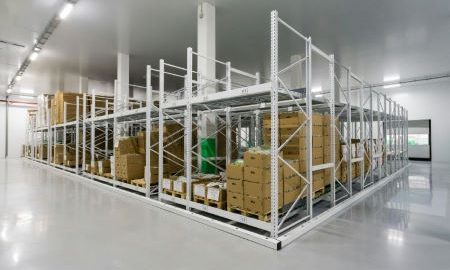
UK warehouses are increasingly being asked to operate in two very different ways at once. On one side, fast-moving e-commerce lines demand rapid picking, quick turnaround and constant flow. On the other, slower bulk stock continues to move at a steadier, more traditional pace. The result is a growing tension inside the same four walls.

This “mixed-speed” environment is becoming one of the more complex operational challenges facing warehouse teams. While both types of stock are essential, they don’t always sit comfortably alongside each other.

Fast-moving goods require clear routes, quick handling and minimal interruption. Bulk items, by contrast, often involve heavier loads, longer handling times and more careful positioning. When these two flows intersect – particularly in shared aisles, staging areas or loading bays – congestion are almost guaranteed.

A slight delay in moving a heavier pallet, or a moment’s hesitation when navigating around slower operations, can disrupt the rhythm of faster picking zones. Over time, these interruptions start to compound, affecting throughput.

Phil Chesworth, Managing Director at Pallet Trucks UK, said, “Warehouses are trying to operate at two speeds at once, and that’s where friction starts to appear. You’ve got fast-paced e-commerce activity running alongside slower, bulk handling. Each works well on its own, but when they overlap, it can create bottlenecks.”

The challenge is not simply one of layout, but of coordination and equipment suitability. Handling tools – such as pallet trucks, stackers and lift tables – that perform well in one context may not be ideal in another. For example, equipment designed for steady, heavy loads may lack the agility needed for rapid picking environments, while lighter, more manoeuvrable options may struggle under bulk weight.

This mismatch can force operators to adapt on the fly, switching pace and approach depending on the task. While experienced teams often manage this instinctively, it can still lead to inefficiencies, particularly during busy periods when both fast and slow flows are at their peak.

Chesworth added that awareness is the first step towards improvement. “It’s not about choosing one type of operation over the other – most warehouses need both,” he said. “The key is recognising where those different speeds meet and making sure the equipment and processes in those areas support both types of movement.”

Why Inventory ‘Right-Sizing’ Is Creating New Handling Challenges

Why Inventory ‘Right-Sizing’ Is Creating New Handling Challenges

As UK retailers continue to recalibrate stock levels after several years of volatile demand, Pallet Trucks UK is warning about the unintended consequence of inventory “right-sizing”: increased pressure on warehouse operations and the equipment that supports them. While tighter stock control is designed to reduce excess and improve cash flow, it is also driving more frequent movement of goods within warehouses.

Rather than holding large volumes of stock in static locations, many businesses are now operating with leaner inventories that require constant adjustment. Goods are being repositioned, consolidated and redistributed more often, particularly as retailers respond to shifting consumer demand and shorter product cycles. This has led to a rise in re-slotting activity, where stock is regularly moved to optimise space and accessibility.

According to Pallet Trucks UK, this is creating new handling challenges on the warehouse floor. Increased movement means pallet trucks are in near-constant use, not just for inbound and outbound goods, but for internal reorganisation. In facilities where layouts are being adjusted more frequently, equipment is required to perform consistently across a wider range of tasks and tighter timeframes.

This added demand can expose weaknesses in older or underperforming equipment. Pallet trucks, stackers and lift tables that may have been adequate in a more static environment can struggle under the strain of continuous use, particularly when manoeuvrability, load stability and ease of handling become more critical. As a result, minor inefficiencies can quickly escalate into delays, especially in busy areas where stock is being moved repeatedly throughout the day.

Phil Chesworth, Managing Director at Pallet Trucks UK, said, “Fixing inventory levels is creating more movement inside warehouses, not less. Businesses are holding less stock overall, but they’re handling it far more frequently. That puts extra pressure on the equipment that’s moving it.

“We’re seeing more operators having to rethink whether their current pallet trucks are up to the job. When stock is constantly being repositioned, reliability and ease of use become even more important. Equipment needs to support that flexibility, not hold it back.”

Pallet Trucks UK advises warehouse operators to factor increased internal movement into their equipment planning, particularly as inventory strategies continue to evolve. Ensuring pallet trucks are durable, easy to manoeuvre and suited to more dynamic workflows can help reduce strain on staff and maintain consistent throughput.

Small Retailers Are Being Priced Out of Efficient Logistics Warns Pallet Trucks UK

Small Retailers Are Being Priced Out of Efficient Logistics Warns Pallet Trucks UK

With warehousing costs on the rise across the UK, Pallet Trucks UK is warning that independent retailers and smaller operators are being disproportionately affected, with many struggling to maintain efficient logistics without the scale or resources of larger competitors.

Increasing rents, higher energy bills and tightening margins are forcing SMEs to rethink how they manage stock, fulfil orders and keep goods moving.

For smaller businesses, the challenge is to make the available space work harder. With limited budgets and less access to large-scale automation, many independents rely heavily on manual handling equipment to maintain operational flow.

Pallet Trucks UK notes that as warehousing becomes more expensive, smaller operators are being pushed into tighter, multi-use spaces where efficiency is critical. In these environments, reliable equipment – such as pallet trucks, stackers and lift tables – is essential, providing a practical and affordable way to move goods without the need for costly infrastructure.

Poorly performing equipment can slow operations, create unnecessary strain on staff and reduce the ability to process orders quickly, putting smaller retailers at a further disadvantage.

At the same time, customer expectations remain high. Fast delivery, easy returns and consistent availability are no longer optional, even for independent brands. This creates a difficult balance for SMEs, who must meet the same standards as larger retailers while operating with fewer resources and under greater financial pressure.

Phil Chesworth, Managing Director at Pallet Trucks UK, said, “Smaller retailers are facing a tough environment. Costs are rising across the board, but expectations haven’t changed. That puts a lot of pressure on how efficiently they can operate behind the scenes.

“For many of these businesses, manual handling equipment is what keeps everything moving. Investing in reliable pallet trucks might seem like a small decision, but it can make a real difference to day-to-day operations.

“When equipment works as it should, teams can move faster, reduce strain and make better use of the space they have.”

While large-scale automation may be out of reach for many SMEs, there are still practical steps businesses can take to remain competitive. Choosing durable, easy-to-maintain equipment can help reduce downtime and extend service life, offering better long-term value in a cost-conscious environment.

The Hidden Impact of Retail Promotions on Warehouse Equipment

The Hidden Impact of Retail Promotions on Warehouse Equipment

Discounting cycles, flash sales and promotional events have become a constant feature of UK retail – and they are having an often-overlooked impact on warehouse operations. While promotions are designed to drive demand and boost revenue, the unpredictable spikes they create can place strain on manual handling equipment behind the scenes.

Unlike traditional seasonal peaks, promotional activity tends to be irregular and fast-moving. Sudden surges in order volumes are followed by quieter periods, creating a stop-start pattern that can be difficult to manage on the warehouse floor. This inconsistency affects not only staffing and stock flow, but also the way equipment is used day to day.

Pallet trucks, stackers and lift tables are required to adapt quickly to these fluctuating demands. During flash sales or limited-time offers, they may be in near-constant use across extended shifts, moving high volumes of goods under time pressure. Once the surge passes, usage drops again, only to ramp up sharply with the next campaign. This cycle of intense use followed by downtime can accelerate wear, particularly if equipment is already nearing the end of its service life.

This pattern can expose weaknesses that might not be apparent under steady operating conditions. Components such as wheels and hydraulics are placed under strain during peak bursts, while inconsistent use can mean issues go unnoticed until they affect performance during the next surge. In busy fulfilment environments, even minor inefficiencies can lead to delays in picking, packing and despatch.

Phil Chesworth, Managing Director at Pallet Trucks UK, said, “Flash sales don’t just hit margins – they hit warehouse equipment. The challenge isn’t just the volume, it’s the unpredictability. Equipment is pushed hard with very little warning, and if it isn’t up to the job, that’s when problems start to appear.

“We’re seeing more businesses recognise that reliable pallet trucks are essential for handling these spikes without disruption. When operations are constantly shifting, you need equipment that performs consistently – whether it’s a quiet week or a sudden surge in orders.”

The company advises warehouse operators to factor promotional activity into their equipment planning, ensuring pallet trucks are maintained and capable of handling short bursts of high demand. Regular checks and timely upgrades can help reduce the risk of breakdowns during critical trading periods.

Pallet Trucks UK Warns of Post-Peak Warehouse Hangover

Pallet Trucks UK Warns of Post-Peak Warehouse Hangover

While the winter retail rush may be over, many UK warehouses are now facing what Pallet Trucks UK describes as the “post-peak hangover” – the operational strain that lingers long after peak trading has passed.

Returns processing, inventory balancing and restocking cycles continue to place heavy demands on fulfilment centres well into the early months of the year, often revealing equipment fatigue and delayed maintenance that built up during the festive surge.

The weeks following peak retail periods are frequently just as demanding as the run-up itself. Large volumes of returned goods must be received, sorted, inspected and redistributed, while warehouses simultaneously work to rebalance stock levels and prepare for the next seasonal cycle. These overlapping tasks create complex internal logistics flows, particularly in facilities where space is limited and equipment has already been pushed to its limits.

During peak trading, pallet trucks and handling equipment are often used continuously across extended shifts, leaving little time for servicing or inspection. As operations return to more typical volumes, underlying issues can begin to surface. Worn wheels, hydraulic wear and general fatigue in high-use equipment can slow pallet movement and create bottlenecks in areas such as goods-in, returns processing and restocking zones.

Many warehouse managers underestimate how much strain peak trading places on core equipment. When the immediate pressure of meeting order deadlines subsides, teams often find themselves dealing with the consequences of months of intensive use.

Phil Chesworth, Managing Director at Pallet Trucks UK, said, “The busiest warehouse period isn’t always peak – it’s the clean-up afterwards. Once the main rush is over, businesses still must deal with returns, stock reorganisation and preparing for the next cycle. That’s often when equipment fatigue becomes obvious.

“Pallet trucks tend to work extremely hard during peak months, often around the clock. If servicing has been delayed or equipment is nearing the end of its working life, those problems tend to appear once the pressure eases and teams start moving stock around again.”

The company advises operators to use the post-peak period as an opportunity to review the condition of manual handling equipment such as pallet trucks, stackers and lift tables, and address maintenance backlogs before activity builds again in spring.

The Easter Challenge: Trading Peaks and Short-Term Warehouse Pressure

The Easter Challenge: Trading Peaks and Short-Term Warehouse Pressure

As retailers prepare for the Easter trading period, Pallet Trucks UK is urging warehouse operators to plan for the short, sharp surge in activity that accompanies one of the busiest points in the spring calendar.

From grocery and confectionery to gifting, homeware and seasonal goods, Easter generates concentrated spikes in demand that place temporary but intense pressure on fulfilment centres and regional distribution hubs.

Unlike the extended build-up to Christmas, Easter peaks tend to arrive quickly and subside just as fast. That compressed timeframe can create distinct operational challenges.

Warehouses often rely on temporary staffing to manage the uplift in volume, while night-shift activity increases to meet tight delivery schedules. In these conditions, manual handling equipment is typically used harder and for longer hours, leaving little margin for mechanical issues or inefficiencies.

Pallet Trucks UK notes that short-term peaks can expose weaknesses in ageing pallet trucks that might otherwise go unnoticed during steadier trading periods. Worn wheels, inconsistent hydraulics or underperforming electric units can slow pallet movement and create bottlenecks at critical points such as goods-in and despatch. When delivery windows are tight and vehicles are scheduled back-to-back, even minor delays can disrupt the wider supply chain.

The company is encouraging operators to treat the weeks leading up to Easter as an opportunity to service high-use equipment and review whether existing pallet trucks, stackers and lift tables can sustain intensified use. Proactive checks and timely replacements can reduce the risk of breakdowns during peak trading days, when repair lead times and replacement sourcing may be more difficult.

Phil Chesworth, Managing Director at Pallet Trucks UK, said, “Easter may not last as long as Christmas, but the operational pressure can be just as demanding. Short peaks mean there’s less time to recover if something goes wrong. Reliable pallet trucks and well-maintained equipment are essential when teams are working extended hours and volumes spike suddenly.”

He added, “We often see businesses focus on stock levels and staffing, which are obviously important. But equipment resilience is just as critical. A simple service or upgrade before the surge can make the difference between a smooth peak and a stressful one.”

By ensuring manual handling equipment is fit for intensified use, operators can protect productivity, reduce strain on temporary teams and maintain delivery performance during one of the spring season’s most concentrated trading periods.

Extreme Weather Disruption: Why Crisis Planning Must Include the Warehouse Floor

Following January’s record rainfall, with weeks of heavy rain and localised flooding across parts of the UK, Pallet Trucks UK is reminding warehouse operators that crisis planning must extend beyond transport routes and supplier networks to include the warehouse floor itself.

While road closures and delivery delays often dominate headlines during severe weather events, the operational strain inside storage and distribution facilities can be just as disruptive.

Extreme weather frequently forces emergency adjustments within warehouses. Stock may need to be relocated away from vulnerable loading bays, ground-level storage areas or buildings affected by leaks and damp. Temporary reconfiguration of layouts, rapid consolidation of goods and urgent despatch changes can all place sudden pressure on manual handling processes.

In these scenarios, dependable pallet trucks and lifting equipment become critical. Moving stock quickly and safely, often in tighter or improvised layouts, demands equipment that can be relied upon without hesitation – but cold and damp conditions can expose weaknesses in poorly maintained equipment, from stiff hydraulics to degraded wheels that struggle on wet surfaces.

Equipment failure during adverse weather can slow response times, increase manual strain and heighten the risk of accidents, particularly if floors are slippery or visibility is reduced.

Phil Chesworth, Managing Director at Pallet Trucks UK, said, “Extreme weather doesn’t just affect what happens on the roads. It has a direct impact on how warehouses operate. When businesses need to move stock quickly to protect it, the last thing they need is handling equipment that can’t cope with damp or cold conditions.

“Crisis planning often focuses on supply routes and contingency suppliers, but it should also include a clear plan for how goods will be repositioned inside the building. Reliable and well-maintained equipment, from pallet trucks to stackers and lift tables, will give teams the confidence to work quickly and safely when conditions change.”

Pallet Trucks UK advises operators to review the condition of their manual handling equipment as part of broader resilience planning, ensuring wheels, hydraulics and braking systems are suited to fluctuating temperatures and moisture levels. Even simple checks and timely replacements can prevent avoidable disruption during challenging weather.

Warehouse Labour Is Tight - and Equipment Is Doing More of the Work

Warehouse Labour Is Tight – and Equipment Is Doing More of the Work

With labour shortages putting pressure on UK warehouses, the balance of work on the warehouse floor is changing. With fewer hands available, manual handling equipment is increasingly being relied upon to carry more of the day-to-day workload. Pallet Trucks UK says this change is forcing businesses to rethink what they need from their equipment, placing reliability ahead of outright speed.

Across regional logistics hubs in particular, recruitment challenges mean teams are often leaner than planned. In response, pallet trucks, lift tables and stackers are being used more intensively, across longer shifts and with less downtime between tasks. In these conditions, breakdowns or inconsistent performance can have an immediate knock-on effect, slowing despatch, creating bottlenecks and putting added strain on staff.

Rather than chasing faster equipment, many warehouse managers are now prioritising durability and ease of use. Well-built pallet trucks that operate smoothly and predictably reduce fatigue, help prevent injuries and allow smaller teams to maintain steady throughput. In contrast, poorly maintained or under-specified equipment can quickly become a weak point when there are fewer people available to compensate for faults or inefficiencies.

Pallet Trucks UK reports growing demand for robust manual and electric pallet trucks designed for continuous use, minimal maintenance and long service life. For many businesses, these solutions offer a practical way to support output without taking on the cost or complexity of automation, particularly in facilities where space, budget or flexibility are limiting factors.

Phil Chesworth, Managing Director at Pallet Trucks UK, commented, “When headcount drops, equipment becomes the workforce. If a pallet truck is unreliable or difficult to handle, it doesn’t just slow things down: it puts extra pressure on already stretched teams, compounding the problem it’s meant to help solve. Right now, reliability matters more than shaving a few seconds off each move.

“We’re seeing customers place much greater value on equipment that can be used hard, day in and day out, without constant attention. In a tight labour market, businesses need kit they can trust, because there isn’t the spare capacity to work around failures.

“Reliable pallet trucks, stackers and lift tables are central when it comes to keeping operations running when staffing levels are unpredictable.”

Pallet Trucks UK: Why Retention Starts on the Warehouse Floor

Pallet Trucks UK: Why Retention Starts on the Warehouse Floor

As UK logistics and warehousing businesses continue to grapple with labour shortages and rising staff turnover, many are overlooking a critical factor in retention: the quality of the equipment workers rely on every day. Pallet Trucks UK is encouraging employers to recognise that investment in reliable manual handling equipment sends a clear message about how much their workforce is valued.

While pay, flexibility and progression remain important, day-to-day working conditions play a significant role in whether employees stay or leave. In warehouses, this often comes down to the tools used to move goods. Ageing, poorly maintained pallet trucks, stackers and lift tables can slow work, increase physical strain and create frustration, particularly for experienced staff who know how much difference good equipment can make.

By contrast, robust pallet trucks and lift solutions that operate smoothly, handle loads predictably and require minimal effort can transform how a role feels. Even modest upgrades can reduce fatigue, lower the risk of strain-related injuries and make long shifts more manageable. In a sector where many roles are physically demanding, these small improvements can have an outsized impact on morale.

Pallet Trucks UK works with businesses of all sizes, from independent operators to large distribution centres, supplying equipment designed for durability, ease of use and long service life. Hand pallet trucks, electric pallet trucks and compact lifting solutions remain a practical alternative to more complex machinery, particularly in busy or space-constrained environments where simplicity and reliability matter most.

Phil Chesworth, Managing Director at Pallet Trucks UK, said, “Staff notice when employers cut corners on the kit they use every day. If a pallet truck is hard to manoeuvre, unreliable or constantly out of action, it sends the wrong signal. Investing in decent equipment shows respect for the people doing the work, and that has a real impact on how valued they feel.

“Retention doesn’t always require sweeping changes. Often, it’s about removing daily frustrations and making the job safer and more comfortable. When workers can do their job without battling the equipment, it improves morale and, ultimately, loyalty.”

With an ageing workforce and continued competition for skilled warehouse operatives, many employers are rethinking where investment delivers the greatest return. For Pallet Trucks UK, the answer often starts on the warehouse floor, where dependable manual handling equipment supports safer working practices and demonstrates a long-term commitment to the people keeping supply chains moving.